Sugar beet vs sugar cane: Health benefits explored
Wiki Article
Introducing the Truth Behind Sugar Beet Vs Sugar Cane: Advantages, Utilizes, and Processing Techniques Described
The difference between sugar beet and sugar cane is frequently neglected in discussions concerning sugar manufacturing. Each crop offers special benefits and applications in various markets. Their growing methods and handling strategies likewise vary notably. Comprehending these nuances is essential for stakeholders in the sugar sector. What ramifications do these distinctions have for wellness, taste, and environmental effect? Discovering these facets can expose much deeper understandings into the global sugar market.
Overview of Sugar Beet and Sugar Cane
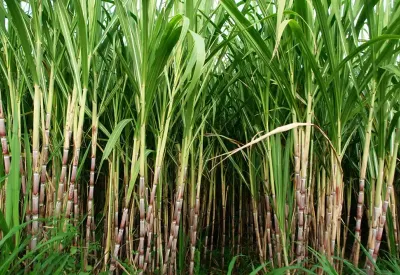
Sugar beet and sugar cane are 2 key sources of sugar, each with distinct features and cultivation methods. Sugar beet, an origin veggie, prospers in pleasant climates and is normally gathered in the fall. Its high sugar content, varying from 15% to 20%, makes it a valuable crop for sugar production. The procedure involves extracting juice from the beetroots, which is then improved right into granulated sugar.In comparison, sugar cane is an exotic turf that flourishes in warm, humid atmospheres. It can accomplish a sugar content of up to 14%, but its tall, fibrous stalks require comprehensive processing. The cane is crushed to extract juice, which goes through boiling and formation to create sugar. Both resources add substantially to the international sugar supply, with sugar beet generally grown in Europe and The United States And Canada, while sugar cane is mainly expanded in Brazil, India, and various other tropical regions.
Cultivation Practices: Sugar Beet vs. Sugar Cane
Farming practices for sugar beet and sugar cane differ considerably due to their distinctive growing problems. Sugar beets flourish in cooler environments with well-drained dirt, while sugar cane favors warmer temperatures and abundant moisture. Furthermore, the harvesting techniques utilized for each and every crop show these ecological requirements and affect total yield and high quality.Growing Problems Contrast
While both sugar beet and sugar cane thrive in specific ecological problems, their farming practices vary substantially. Sugar beet is mostly expanded in warm regions, preferring cooler climates with well-drained dirt and moderate rainfall. It requires an expanding season of regarding 90 to 120 days, with optimal temperatures between 15 ° C to 25 ° C. On the other hand, sugar cane flourishes in exotic and subtropical climates, thriving in cozy temperatures ranging from 20 ° C to 32 ° C. It needs abundant sunshine and constant rains, commonly requiring irrigation in drier areas. Sugar cane has a much longer growing cycle, commonly lasting 12 to 24 months. These differences in growing conditions considerably influence the geographical distribution and agricultural practices connected with each crop.Harvesting Strategies Differences
The harvesting techniques for sugar beet and sugar cane reflect their distinctive growth attributes and agricultural methods. Sugar beet is normally collected mechanically, with farmers designed to uproot the entire plant, making sure marginal soil disturbance. The beets are after that delivered for handling soon after harvest to keep high quality. On the other hand, sugar cane harvesting often entails a combination of manual and mechanical techniques. Employees may at first reduce the cane by hand, especially in regions where mechanization is less practical. Subsequently, specialized machinery is employed to collect and transfer the cut stalks to refining facilities. These varying strategies not just impact efficiency yet likewise influence the top quality and return of the last sugar products, showcasing the adaptability of each plant to its environment.Nutritional Comparison and Wellness Perks
When comparing the dietary profiles of sugar beet and sugar cane, it comes to be clear that each offers unique health and wellness advantages. Sugar beetroots are abundant in crucial nutrients like folate, manganese, and potassium, which add to total health. They also consist of fiber, which aids food digestion and may assist control blood glucose levels. Furthermore, sugar beetroots are understood for their antioxidant residential or commercial properties, which can deal with oxidative anxiety.Conversely, sugar cane is largely composed of sucrose, giving fast power. While it lacks the same degree of nutrients found in sugar beets, sugar cane does consist of percentages of B vitamins and minerals such as calcium and magnesium. Furthermore, sugar cane juice is often promoted for its hydrating residential properties and prospective wellness advantages, including boosted gastrointestinal wellness. Eventually, the choice between sugar beet and sugar cane may depend on private wellness goals and nutritional choices.
Flavor Accounts and Culinary Makes Use Of
Flavor profiles of sugar beet and sugar cane differ noticeably, affecting their culinary applications (Sugar beet vs sugar cane). Sugar cane, with its naturally wonderful and intricate taste, is often preferred in beverages, treats, and different cooking dishes. It lends a rich, caramel-like note that improves the taste of items such as syrups, molasses, and rum. In comparison, sugar beet has an extra neutral and less fragrant taste, making it ideal for applications where sweet taste is wanted without changing the recipe's intrinsic flavors. It is regularly made use of in refined foods, baked goods, and sugarCooking experts typically select sugar cane for its deepness and richness, specifically in premium cooking and craft beverages. Alternatively, sugar beet's flexibility as a sweetener in mass-produced things accommodates a broader market. Ultimately, the selection in between these 2 sugars can considerably impact flavor profiles and overall culinary experiences.
Environmental Impact of Sugar Production
Sugar production, whether from sugar beet or sugar cane, brings considerable ecological implications. Sugar cane farming typically results in deforestation, specifically in tropical areas, disrupting neighborhood go to this site ecosystems and adding to biodiversity loss. The extensive use fertilizers and pesticides in both sugar beet and sugar cane farming can cause soil destruction and water contamination, affecting surrounding environments and areas. Furthermore, the high water consumption needed for sugar cane watering positions a hazard to local water products, especially in dry regions.On the other hand, sugar beet farming generally happens in warm climates, which might alleviate some deforestation worries. It is not without its own obstacles, including dirt erosion and reliance on chemical inputs. In general, the ecological impact of sugar production is diverse, requiring lasting farming methods and awareness of source monitoring to reduce damages to environments and promote ecological health and wellness.
Handling Methods: From Plant to Sugar
Many processing strategies are used to change sugar beet and sugar cane right into granulated sugar, each approach showing the one-of-a-kind attributes of the source plant. For sugar beetroots, the procedure begins with washing and cutting the origins into thin strips, which are then subjected to diffusion-- a method where warm water essences sugar from the beet slices. The resulting fluid is detoxified, focused, and crystallized.On the other hand, sugar cane processing entails squashing the stalks to draw out juice, followed by explanation to eliminate contaminations. The juice is then vaporized, leading to syrup that goes through condensation. Both procedures are followed by separation of the sugar crystals from the molasses, which is a result. The final phases consist of drying out and packaging the granulated sugar for distribution. These methods highlight the distinct pathways through which these 2 plants yield sugar, each with its own set of challenges and performances.
Economic Facets of Sugar Beet and Sugar Cane Industries
The economic landscape of the sugar beet and sugar cane sectors exposes noteworthy differences in manufacturing expenses, market characteristics, and regional influences. Sugar beet, mostly grown in warm climates, typically sustains greater production costs due to labor and input costs. Alternatively, sugar cane prospers in tropical regions, normally taking advantage of lower labor costs and favorable weather conditions, which can result in higher returns.Market characteristics additionally vary, as sugar cane dominates global production, representing roughly 80% of sugar output. This prevalence affects rates structures and profession flows. In comparison, sugar beet is extra regionally concentrated, particularly in Europe and The United States and Canada, affecting neighborhood economic situations depending on beet production.
Furthermore, changes in global sugar costs can significantly affect both sectors, affecting farmer revenue and investment levels. Comprehending these financial aspects is crucial for see this site stakeholders intending to navigate the intricacies of the sugar market successfully.
Often Asked Questions

Can Sugar Beet and Sugar Cane Be Intercropped Successfully?
Intercropping sugar beet and sugar cane offers difficulties due to varying development requirements and ecological needs. With cautious monitoring and appropriate conditions, it may generate advantages such as improved dirt health and wellness and source performance.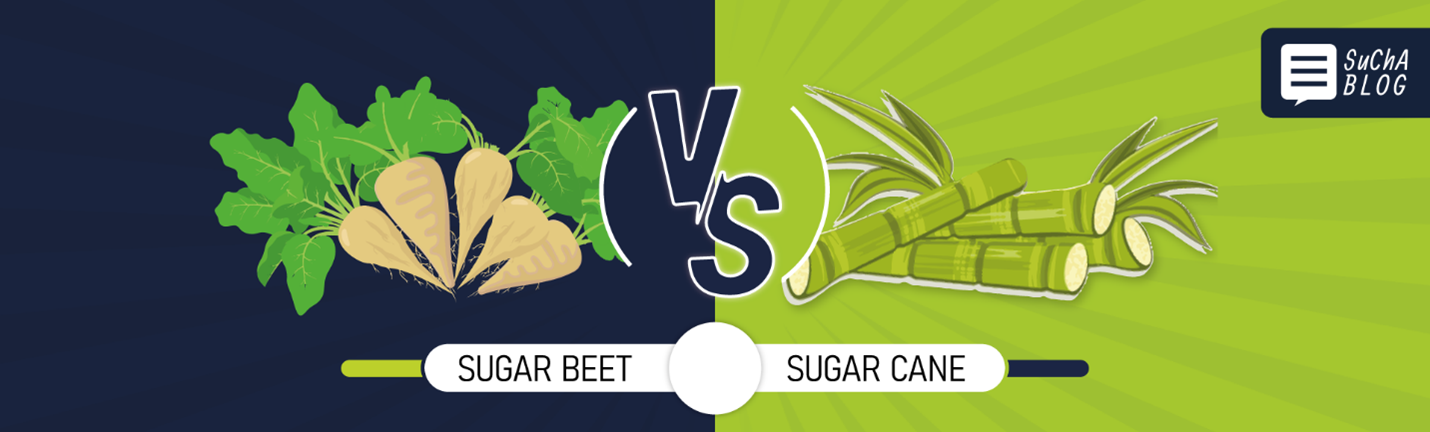
What Are the Historical Origins of Sugar Beet and Sugar Cane?
The historical origins of sugar beet trace back to 18th century Europe, while sugar cane has roots in Southeast Asia, grown for countless years. Both plants have significantly influenced international sugar production and farming.Exactly How Do Sugar Beet and Sugar Cane Affect Soil Wellness?
The results of sugar beet and sugar cane on dirt health and wellness differ. Sugar beet can enhance soil framework and nutrient content, while sugar cane may diminish nutrients if not managed correctly, influencing lasting soil fertility.
Are There Any Kind Of Arising Technologies in Sugar Manufacturing?
Arising innovations in sugar manufacturing consist of accuracy agriculture, advanced genetic design he said for greater yields, and ingenious removal methods. These developments intend to improve efficiency, decrease ecological impact, and boost the total sustainability of sugar production procedures.What Are the Trick Distinctions in Labor Demands for Both Plants?
The vital distinctions in labor requirements for sugar beet and sugar cane depend on growing, harvesting, and processing. Sugar beet vs sugar cane. Sugar beet normally requires more automation, while sugar cane commonly needs a lot more manual work for gathering and processing stagesReport this wiki page